

Heating & Ventilation

Heating & Ventilation

How to Remove Mould in Your Home with KERS+ Heat Recovery Ventilation

Mould in the home is more than just an unsightly nuisance — it’s a sign of excess moisture and poor ventilation, and it can negatively impact both your property and your health. Bathrooms with steamy showers, kitchens with daily cooking, and bedrooms with little airflow are common hotspots. While cleaning visible mould is important, the real solution lies in tackling the root cause: trapped humid air.


This is where KERS+ Heat Recovery Ventilation makes a major difference.

 

struggling with mould in your home


Why Mould Grows Indoors

Mould spores are naturally present in the air, but they only grow when conditions are right. The key ingredients are:


    • High humidity (typically above 60%)
    • Condensation on cold surfaces
    • Poor air circulation
    • Limited fresh air exchange

Modern homes, especially those upgraded for energy efficiency with insulation and airtight windows, often trap moisture inside. Everyday activities such as cooking, drying clothes indoors, and even breathing add litres of water vapour to the air each day. Without proper ventilation, this moisture settles on walls, ceilings, and window reveals — creating the perfect breeding ground for mould.
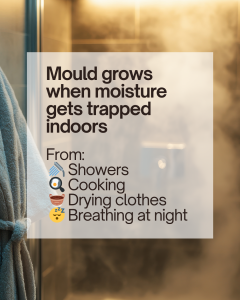
why mould grows in a home


Why Cleaning Alone Doesn’t Work

Wiping mould off a wall with spray or bleach may remove stains temporarily, but if humidity remains high, it will return. True mould prevention requires continuous moisture control, not just surface treatment.

That’s exactly what KERS+ is designed to do.
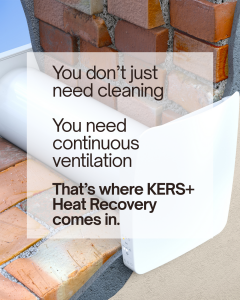
Why cleaning mould dosnt work


How KERS+ Stops Mould at the Source

KERS+ is a single-room heat recovery ventilation system that provides constant fresh air while removing stale, moisture-laden air — all without losing the heat you’ve paid to produce.


1. Continuous Moisture Extraction

KERS+ units quietly extract humid air from rooms such as:


    • Bathrooms
    • Kitchens
    • Bedrooms
    • Utility rooms

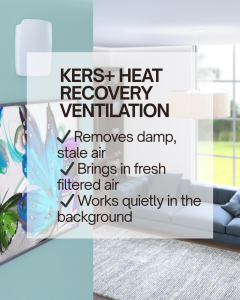
kers+ removes damp stale air

By steadily removing moist air, the system prevents humidity from building up to mould-forming levels.


2. Fresh Air Supply Without Heat Loss

Unlike opening windows — which wastes heat and increases energy bills — KERS+ uses a ceramic heat exchanger to recover warmth from outgoing air and transfer it to incoming fresh air.

This means:

✔ You ventilate your home
✔ You control moisture
✔ You keep the warmth inside
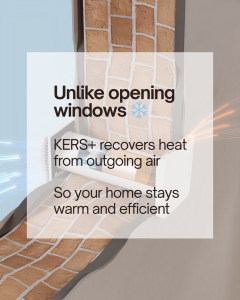
A warm, well-ventilated home is far less likely to suffer from condensation and mould.


3. Humidity-Sensitive Operation

Many KERS+ models include humidity sensors that automatically increase airflow when moisture levels rise, such as during showers or cooking. Once humidity drops back to safe levels, the system returns to normal operation — ensuring ventilation happens when you need it most.
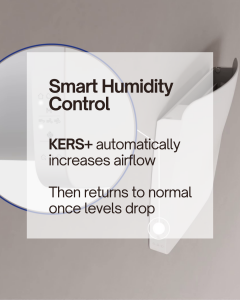
This smart control helps stop the damp conditions mould needs to grow.


4. Prevents Condensation on Walls and Windows

Condensation is often the first warning sign before mould appears. KERS+ reduces indoor humidity levels, meaning:


    • Less water collecting on window glass
    • Fewer damp patches on walls and ceilings
    • Reduced risk of black mould forming in corners and behind furniture


5. Improves Overall Indoor Air Quality

Mould releases spores that can trigger:


    • Allergies
    • Asthma symptoms
    • Respiratory irritation


KERS+ not only removes moisture but also filters incoming air, helping create a healthier indoor environment for your family.


Where KERS+ Makes the Biggest Impact

KERS+ is especially effective in:

🏠 Older homes with poor natural ventilation
🏠 Airtight renovated homes
🏠 Apartments without wall vents
🏠 Bedrooms prone to window condensation
🏠 Bathrooms with recurring mould on ceilings

Because it is decentralised (room-by-room), it can be installed exactly where mould problems occur.


Long-Term Mould Prevention, Not a Temporary Fix

Think of KERS+ as a permanent moisture management solution, not just a fan. By keeping air moving and humidity controlled all year round, it addresses the underlying cause of mould rather than just cleaning the symptoms.

Homeowners often notice:

✔ Fresher smelling rooms
✔ Dry windows in the morning
✔ Reduced damp patches
✔ No return of mould after treatment


Final Thoughts

Mould is a moisture problem — and moisture problems need ventilation solutions. KERS+ Heat Recovery Ventilation removes humid air, supplies fresh filtered air, and retains indoor heat, creating an environment where mould simply cannot thrive.

Instead of repeatedly scrubbing mould away, you can stop it from forming in the first place — and enjoy a warmer, healthier, fresher home all year round.
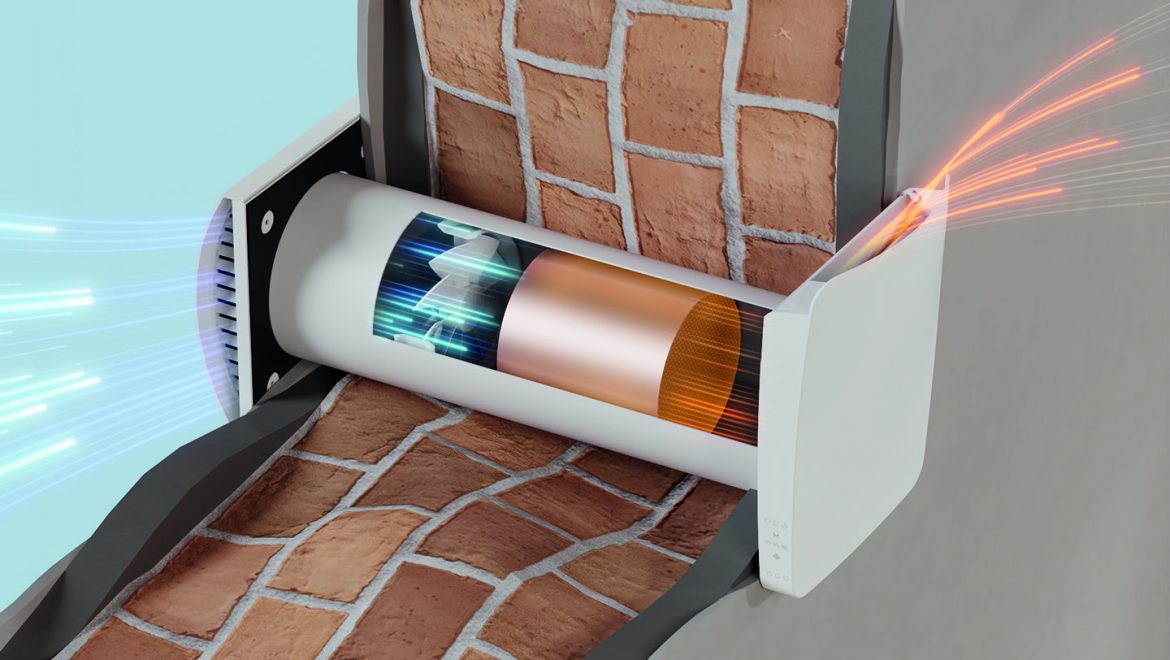
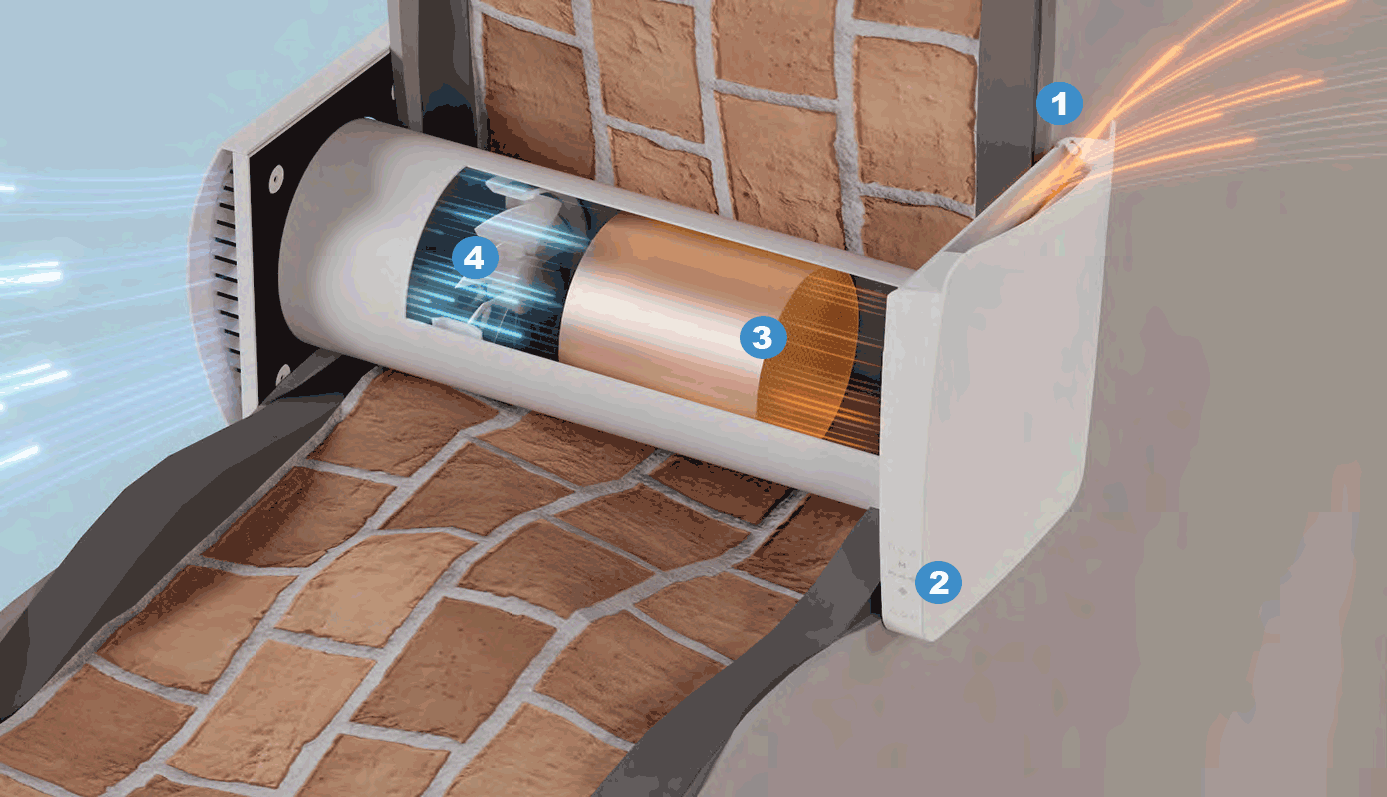


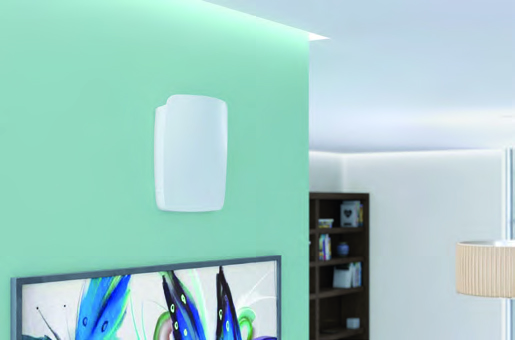
Kers+ heat recovery ventilation system
Heat Recovery Ventilation, Heating & Ventilation

What Makes KERS+ a High-Efficiency Heat Recovery System

Key Takeaways

  • KERS+ is a decentralized heat recovery system that maximizes thermal energy reuse while improving indoor comfort.
  • It features an advanced ceramic heat exchanger that recovers up to 97% of heat loss and operates efficiently during all seasons.
  • The system allows room-by-room installation, offering tailored ventilation control without extensive ductwork.
  • KERS+ uses energy-efficient components like EC motors, maintaining low electricity usage and optimizing noise levels.
  • This heat recovery system also includes effective filtration and contributes to reduced energy costs and improved air quality.

KERS+ is a decentralized, single-room heat recovery ventilation (HRV) system designed to deliver controlled ventilation while maximizing the reuse of thermal energy from exhaust air. Its performance — especially its industry-leading heat recovery efficiency — comes from a combination of smart design choices and high-quality components that together reduce energy waste, improve indoor comfort, and lower heating and cooling costs.


1. Advanced Ceramic Heat Exchanger — Core of Efficiency

At the heart of the KERS+ system is a ceramic heat exchanger with hexagonal cells. This structure provides a large surface area for heat transfer and excellent thermal conductivity, allowing the system to recover up to approximately 97% of heat that would otherwise be lost with conventional ventilation.

kers heat recovery ventilation unit

Why Ceramic Matters

  • Thermal storage & transfer: Ceramic material absorbs and stores heat from outgoing internal air, then transfers it back to incoming fresh air during the alternating ventilation cycle.
  • Bidirectional operation: The system alternates between exhaust and intake phases. In exhaust mode, the core heats up; in intake mode, that stored heat pre-heats incoming air.
  • All-season performance: The same principle works in reverse in summer — retaining coolness and reducing cooling loads.

This ceramic core design is more efficient than many traditional plate heat exchangers and enables the very high thermal recovery percentages KERS+ is known for.


2. Decentralized, Room-by-Room Installation

Unlike centralized HVAC systems that serve entire buildings through duct networks, KERS+ operates at perimeter walls in each room.

Benefits of Decentralization

  • Tailored control: Individual rooms can be ventilated based on occupancy, humidity, or specific needs without impacting the whole building.
  • Lower installation complexity: It doesn’t require extensive ductwork, electrical wiring, or switchboards through walls, which reduces installation cost and disruption.
  • High air quality where it matters: Each space gets fresh air renewal while retaining most of the thermal energy indoors.

3. Energy-Efficient Components

EC Fans

KERS+ units use electronically commutated (EC) motors for the fans. These combine the efficiency of brushless DC technology with precise speed control, ensuring minimal electrical usage even at higher ventilation rates.

Low Electricity Use

The whole system runs on electrical power lower than a typical LED light bulb, highlighting a very low electrical consumption relative to the volume of heat energy retained.


4. Intelligent Operating Modes & Controls

KERS+ offers multiple ventilation and control modes, enhancing both comfort and efficiency:

  • Home mode: Alternating heat recovery with multi-stage fan speeds
  • Night mode: Reduced speed for minimal noise while maintaining ventilation
  • Humidity mode: Automatic ventilation increase when relative humidity exceeds a set threshold

These modes ensure ventilation only operates at levels necessary for comfort and air quality, avoiding unnecessary energy use.


5. Comfort & Noise Optimization

KERS+ systems are engineered for low noise — as low as ~7 dB in super-minimum mode and typically attenuating external noise significantly (up to 42 dB).

  • Anti-draft design: Upward air outlet and automatic anti-wind dampers prevent uncomfortable draughts.
  • Acoustic insulation: Reduces the impact of outdoor noise on indoor environments.

Efficient noise control encourages users to keep the system operating continuously, which in turn maintains both energy efficiency and indoor air quality.


6. Filtration and Air Quality

Most KERS+ models include G3 class filters on both intake and exhaust sides of the exchanger, which:

  • Clean incoming air for healthier indoor environments
  • Protect the exchanger and fan assembly from particulate buildup
  • Help maintain system performance over time

7. Benefits Beyond Efficiency

Because of its efficiency and ventilation quality, KERS+ contributes to:

  • Reduced condensation and mold formation by controlling humidity and ensuring constant fresh air supply
  • Lower heating costs by retaining indoor thermal energy that would otherwise be wasted
  • Improved building energy ratings when installed room-by-room

Conclusion

The high efficiency of KERS+ arises from a synergy of advanced ceramic heat exchange technology, decentralized installation, energy-efficient components, and smart operating modes. These features together create a ventilation system that recovers a large proportion of heat energy, reduces electricity consumption, improves indoor air quality, and enhances comfort — all while minimizing installation and operating costs relative to traditional HVAC systems.


Heating & Ventilation

Unlocking the Power of Heat Recovery Ventilation: A Breath of Fresh Air for Your Home 💨🔬

Unlocking the Power of KERS+ Heat Recovery Ventilation: A Breath of Fresh Air for Your Home 💨🔬

Most people think ventilation just means fresh air—but that misses the hidden cost of lost heat. KERS+ heat recovery ventilation (HRV systems) changes that by recycling warmth while keeping your indoor air quality crisp and clean. In this post, you’ll see how KERS+ advanced technology balances health benefits with energy savings, making your home ventilation smarter and more sustainable. Explore our range of KERS+ heat recovery ventilation systems to enhance your home’s air quality and energy efficiency today! 💨🔬 Learn more

Understanding KERS+ Heat Recovery Ventilation

How KERS+ HRV Systems Work

KERS+ HRV systems are like magic for your home’s air. They take the stale air from inside, extract its heat, and use that warmth to preheat the incoming fresh air. Imagine it’s winter, and your home needs fresh air but not the cold. KERS+ HRV captures about 90% of the heat from outgoing air, warming the incoming breeze without extra energy.

The system uses a heat exchanger, which is key to its function. This exchanger ensures that while air streams pass closely, they don’t mix. So, you get freshness without chills. As a result, your heating system works less, saving you energy. KERS+ HRV is a smart choice, both for comfort and your wallet.

Benefits for Indoor Air Quality

Have you ever felt stuffy air indoors? KERS+ HRV systems fix that by constantly refreshing indoor air. They help remove pollutants, allergens, and moisture, ensuring the air you breathe is healthier. Good air quality directly affects your well-being, reducing symptoms of allergies and asthma.

Fresh air also means a more comfortable living environment. KERS+ HRV systems maintain the right humidity levels, preventing mold growth and keeping your home safe. Better air quality often leads to increased productivity and mood. It’s not just about breathing; it’s about living better.

Enhancing Energy Efficiency

KERS+ HRV Systems and Energy Savings

A KERS+ HRV system is a powerhouse for saving energy. Since it recycles heat from the air you would otherwise lose, your heating system uses less power to maintain warmth. This can lead to savings of up to 20% on your energy bills.

Using less energy is not only about saving money. It’s also about conserving resources and being good to the planet. By integrating KERS+ HRV systems, you contribute to a smaller carbon footprint, making your home greener without sacrificing comfort.

Sustainable Heating Solutions

KERS+ HRV systems align with sustainable goals by improving energy use efficiency. They are part of a holistic approach to eco-friendly living. By incorporating KERS+ HRV, you’re taking a step forward in embracing technologies that support a healthier planet.

For those interested in sustainability, KERS+ HRV systems are a key component. When paired with other green solutions like solar panels, they amplify the environmental benefits. It’s about creating a home that supports your values and future generations.

Choosing the Right System

KERS+’s Advanced Technology

KERS+ stands out with its focus on innovation and quality. Their HRV systems are designed for maximum efficiency and reliability. With technology that adapts to your home’s requirements, KERS+ ensures you get the best performance.

The ease of installation and maintenance of KERS+ systems makes them a favorite among homeowners. They offer robust solutions that cater to both new constructions and renovations. With KERS+, you know you’re choosing quality and expertise.

Home Ventilation Options for You

KERS+ offers various options to fit different home sizes and needs. Whether you have a small apartment or a large house, there’s a system designed for you. Choosing the right system involves considering factors like size, air quality needs, and existing heating solutions.

To make the best choice, think about your home’s layout and your personal preferences. Consulting with an expert can help align your needs with the right system. The right KERS+ HRV system can transform your home into a haven of comfort and efficiency.

By understanding the power of KERS+ HRV systems, you position yourself for a healthier and more sustainable lifestyle. As you consider these options, remember that each choice towards better air and energy use is a step towards a brighter future.